According to the EPA, Americans spend approximately 90% of their time indoors — and indoor air can be 2 to 5 times more polluted than outdoor air. In tightly sealed Michigan homes during winter, that number can be even higher.
What Is Indoor Air Quality?
Indoor air quality (IAQ) refers to the condition of the air inside your home — including the levels of pollutants, allergens, humidity, and particles that you and your family breathe every day.
Poor IAQ doesn't always announce itself with obvious odors or visible particles. In many cases, it shows up as chronic low-grade symptoms that homeowners attribute to other causes — seasonal allergies, "catching something at work," or just feeling run down.
Common Signs of Poor Indoor Air Quality
Frequent or worsening allergy symptoms indoors
If your sneezing, runny nose, or itchy eyes are worse at home than outside — or worse in certain rooms — your HVAC system may be circulating allergens like dust mites, pollen, pet dander, and mold spores throughout the house.
Persistent headaches, fatigue, or difficulty concentrating
These symptoms are classic signs of what building scientists call 'sick building syndrome.' Poor ventilation, elevated CO2, and off-gassing from materials like paint and furniture all contribute — as can contaminated ductwork circulating stale, polluted air.
Dust that reappears quickly after cleaning
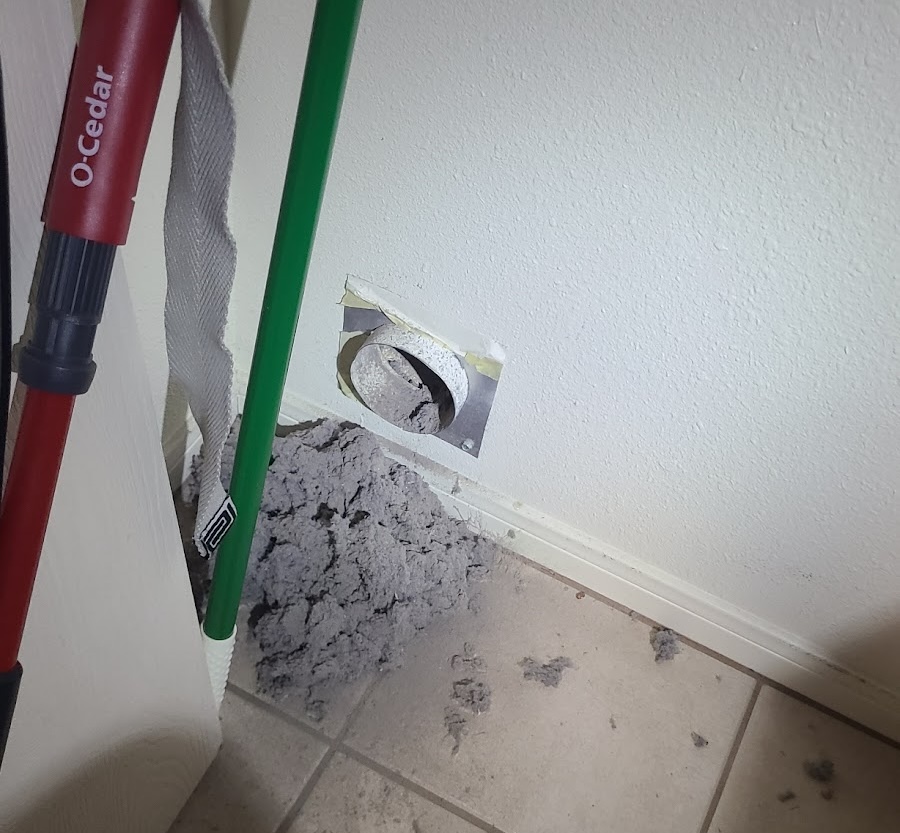
If your surfaces are dusty again within a day or two of cleaning, a large amount of particulate is being pushed out of your vents. Dirty ducts are one of the primary sources of persistent household dust.
Musty or stale odors when the HVAC runs
A musty smell that coincides with your heating or cooling system running is a red flag. It can indicate mold growth inside the ductwork, in the air handler, or on the evaporator coil — all of which then distribute spores throughout your home.
Uneven humidity levels — too dry or too damp
In Michigan winters, homes tend to run very dry — which irritates respiratory passages and makes people more susceptible to airborne contaminants. If your home feels clammy in summer, inadequate ventilation may be allowing moisture to accumulate.
Respiratory irritation or coughing that improves when you leave home
This is one of the clearest signals that your indoor air is the problem. If you feel noticeably better when you're at work or away for a weekend, the air quality in your home deserves serious attention.
What's Causing Poor IAQ in Most Homes?
Indoor air quality problems typically have multiple contributing factors. The most common in Metro Detroit homes include:
Contaminated ductwork
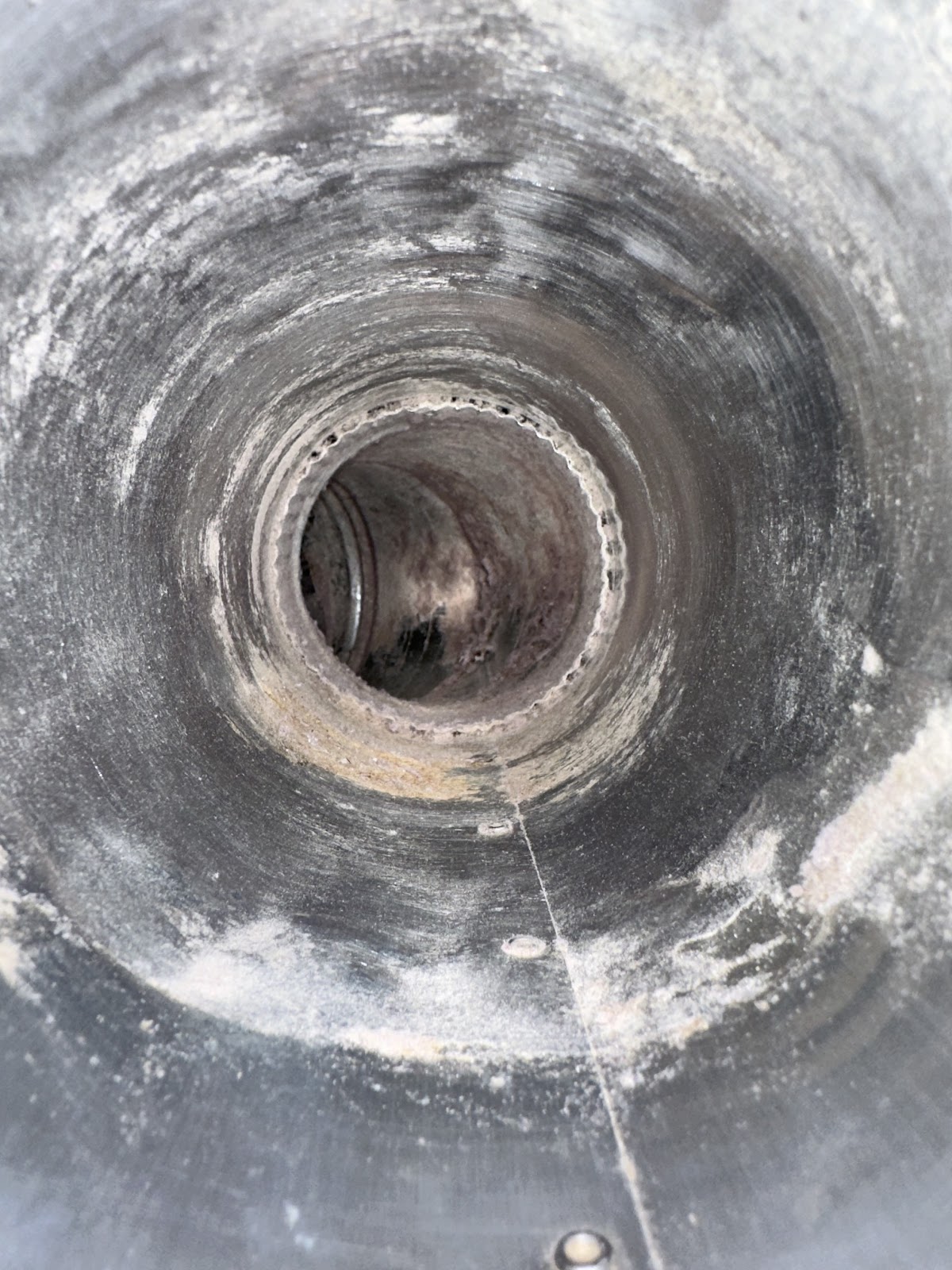
Ducts that haven't been cleaned in years harbor dust, debris, mold, and allergens that get pushed into living spaces every time the system runs.
Dirty or inadequate air filters
A clogged filter can't catch particles effectively. Using the wrong MERV rating for your system also undermines filtration.
Pet dander and hair
Pets shed constantly, and that dander circulates through the air and accumulates in ductwork where it gets distributed throughout the home.
Mold and mildew
Michigan's humidity variations create conditions for mold growth — in basements, bathrooms, and inside HVAC components. Once in the ducts, spores spread everywhere.
Volatile Organic Compounds (VOCs)
Paints, cleaning products, furniture, and carpeting all off-gas chemicals into indoor air. Without adequate ventilation, these accumulate.
Inadequate fresh air exchange
Modern tightly-sealed homes conserve energy but reduce the natural dilution of indoor pollutants. Mechanical ventilation becomes critical.
How Clean Ducts Improve Indoor Air Quality
Your duct system is essentially the respiratory system of your home. Every cubic foot of air that heats or cools your home passes through those ducts — multiple times per day. Whatever is inside the ducts gets distributed throughout every room.
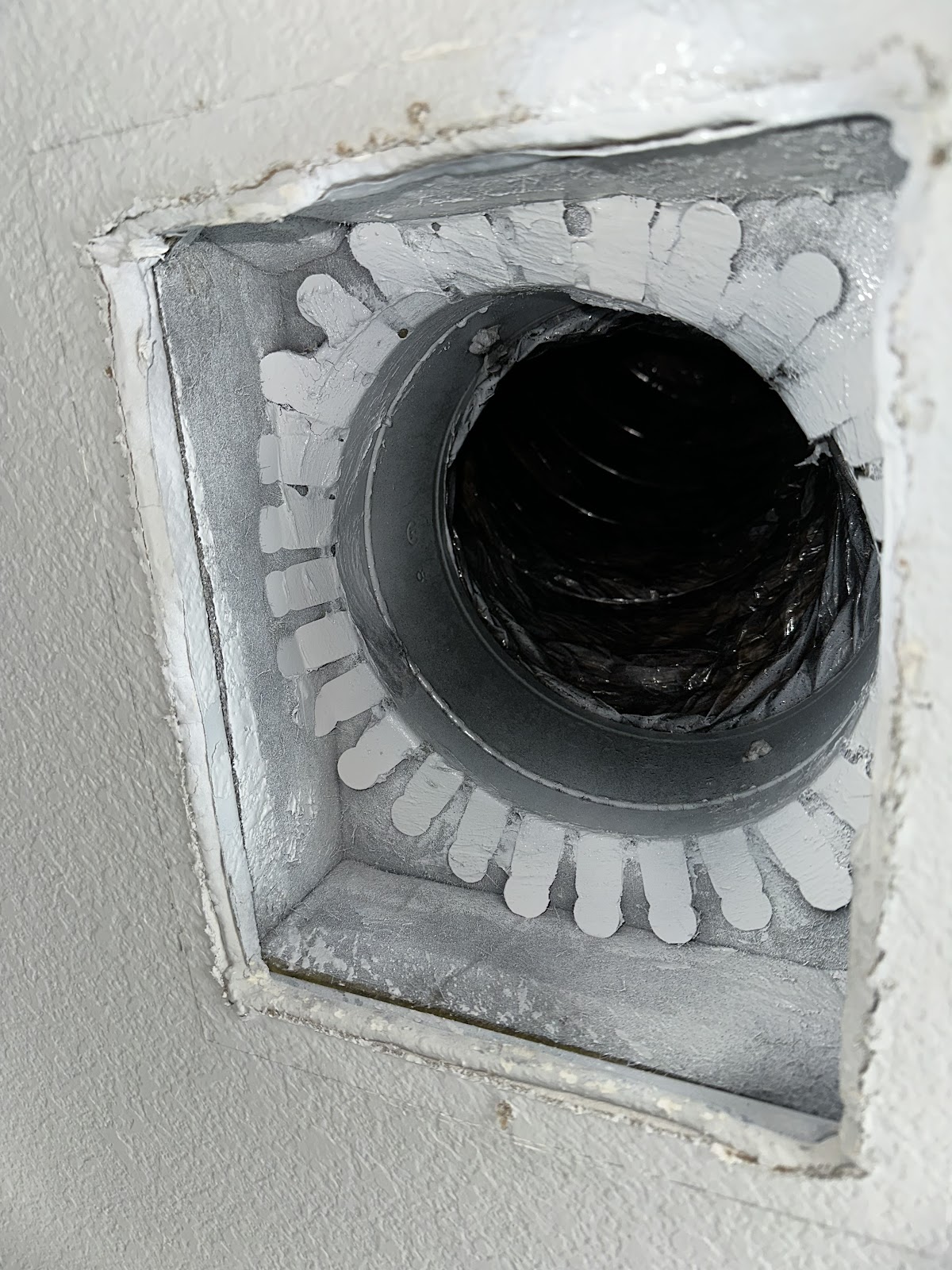
A professional duct cleaning removes the accumulated layer of dust, debris, biological contaminants, and allergens from the interior of every duct run, return, and trunk line in the system. The result is measurably cleaner air being circulated — which most households notice within days of a cleaning.
For households with allergy or asthma sufferers, the improvement can be significant. Removing the reservoir of allergens from the duct system means the HVAC isn't constantly re-distributing those particles.
Additional Solutions Worth Considering
UV Germicidal Light Installation
A UV light installed inside your plenum or air handler kills mold, bacteria, and viruses as air passes through — providing continuous air purification without filter replacements.
High-MERV Filter Upgrade
Upgrading to a MERV 11–13 filter (if your system can handle it) captures significantly more fine particles than standard fiberglass filters. Check with your HVAC technician before upgrading filter ratings.
Regular HVAC Maintenance
A clean evaporator coil, properly draining condensate pan, and clean blower wheel all contribute to better air quality and system performance.
Humidity Control
A whole-home humidifier in winter and a dehumidifier or properly sized AC in summer keeps humidity in the ideal 40–50% range — the sweet spot for comfort and reducing mold and dust mite growth.
NADCA-Certified Technicians
Start Breathing Cleaner Air Today
United Air Duct Cleaning serves Milford, Brighton, Novi, South Lyon, and all of Metro Detroit. Free estimates with no obligation.