According to the U.S. Fire Administration, dryer fires account for approximately 2,900 home structure fires annually. The leading cause? Failure to clean the dryer vent. Lint is highly flammable — and it accumulates with every single load.
How Lint Buildup Becomes a Fire Hazard
Every time your dryer runs, it pushes hot, moist air — full of tiny lint particles — through a vent that leads to the outside of your home. The lint screen inside the dryer catches some of it, but a significant amount passes through into the vent duct itself.
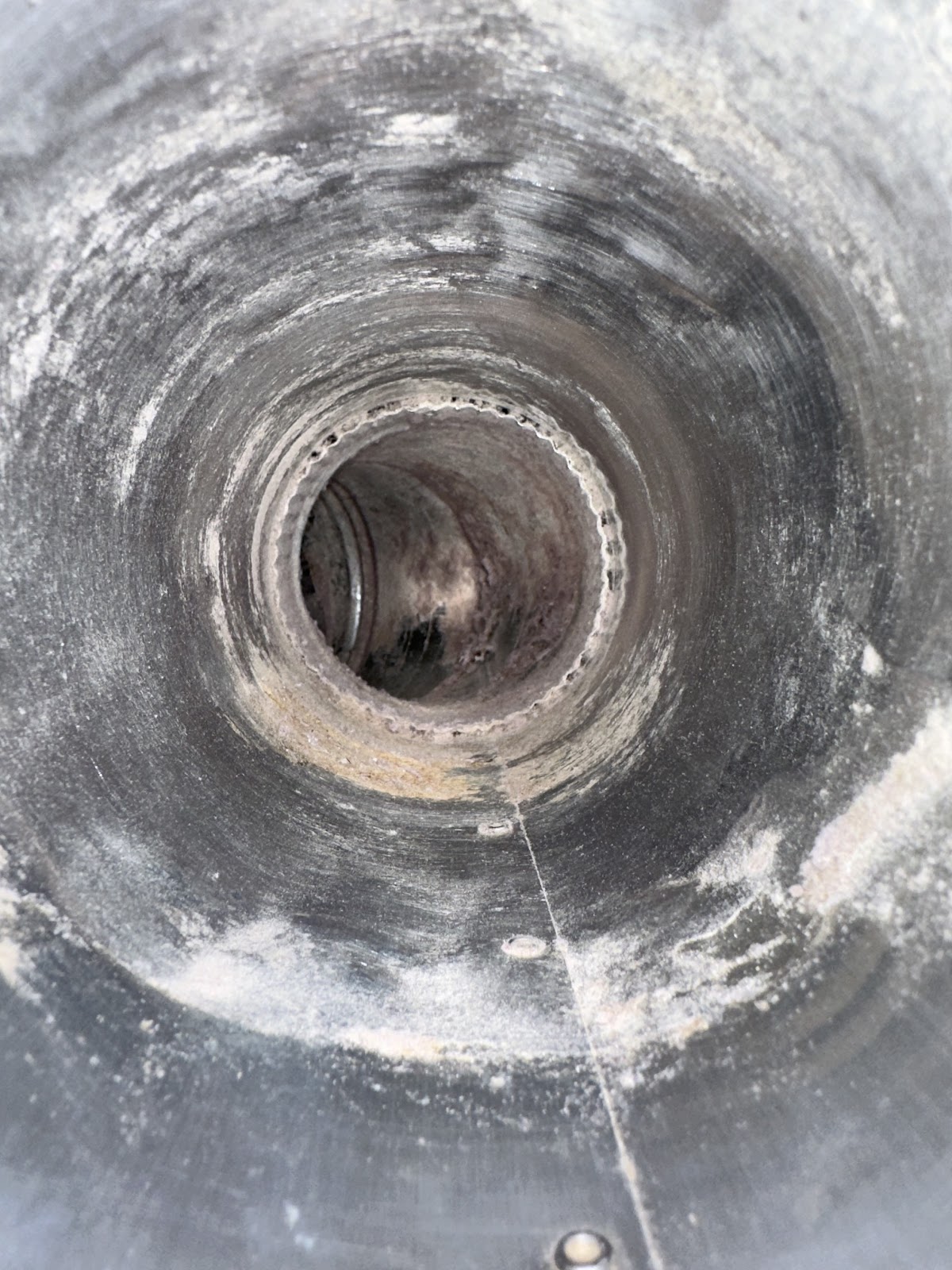
Over months and years, that lint coats the interior of the vent. The more it builds up, the less air can move through — which means your dryer runs hotter and longer to dry the same load. That combination of extreme heat and dry, flammable lint is exactly the right environment for a fire to start.
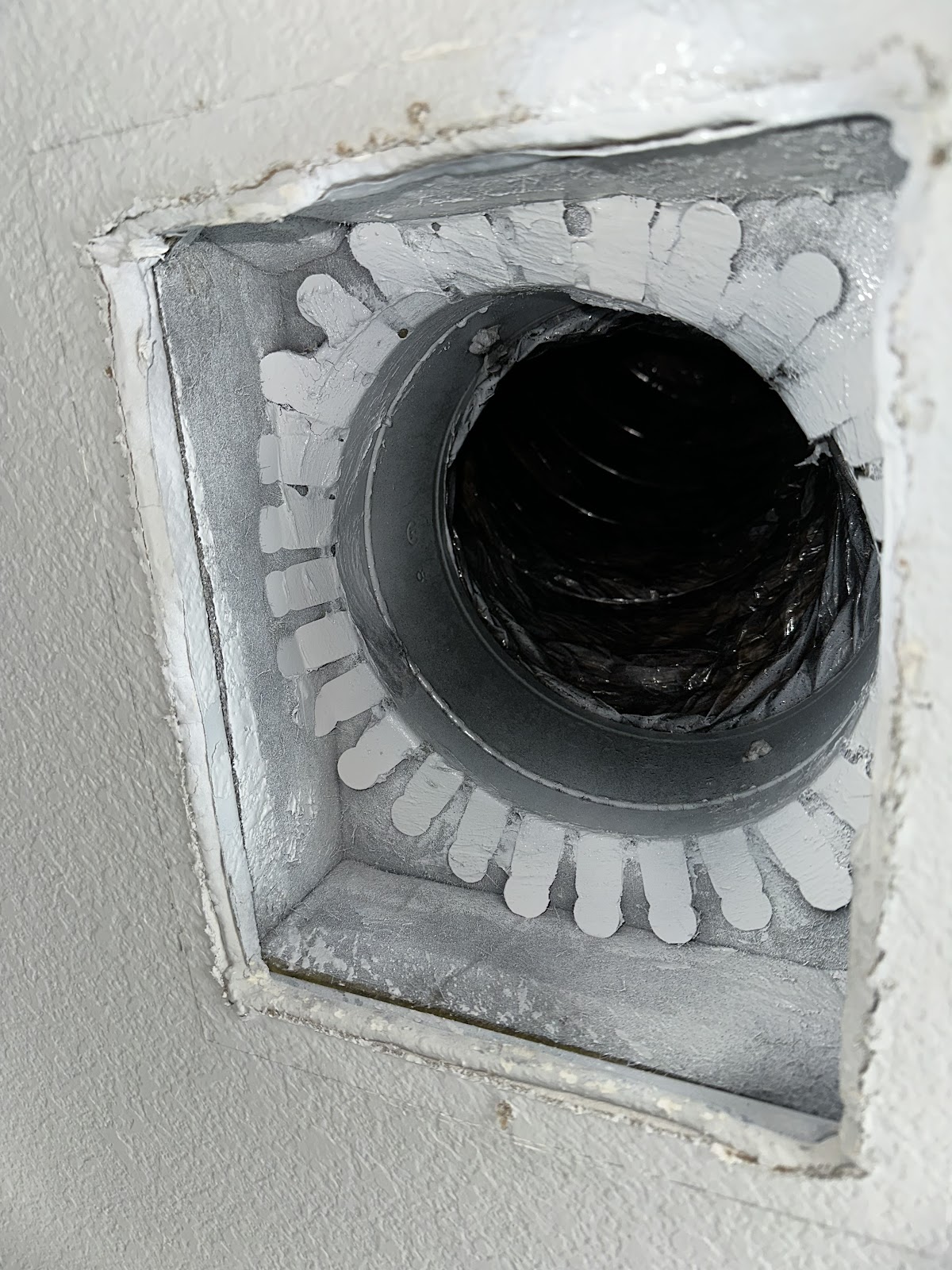
Longer vent runs, vents with more bends, and plastic or foil flex hose (instead of rigid metal) all trap lint more aggressively — and are more common in older Metro Detroit homes than most people realize.
Warning Signs Your Dryer Vent Is Clogged
Most dryer vent fires happen without warning — but your dryer will usually tell you something is wrong before it gets that far. Watch for these signs:
- 🔥
Clothes take more than one cycle to dry
This is the clearest early sign. Restricted airflow means moisture can't escape efficiently, so the dryer runs longer and still leaves clothes damp.
- 🌡️
Clothes and the dryer exterior are extremely hot
If your laundry comes out uncomfortably hot, or you can feel significant heat on the outside of the dryer cabinet, airflow is severely restricted.
- 👃
Burning smell during or after a cycle
Any burning odor — especially a musty or scorched smell — is a serious warning sign. Stop using the dryer immediately and have the vent inspected.
- 🌬️
The vent flap outside doesn't open during operation
If the exterior vent hood isn't visibly moving air outward when the dryer runs, the duct is blocked. This is easy to check yourself.
- 🗓️
You haven't had it cleaned in over a year
Even without symptoms, annual cleaning is the standard recommendation for households with normal laundry use. Heavy users (large families, frequent cycles) should consider twice yearly.
Why the Lint Screen Isn't Enough
Cleaning your lint screen before or after every load is a good habit — but it only catches lint at the very start of the vent system. A significant portion still makes it past the screen and into the ductwork beyond.
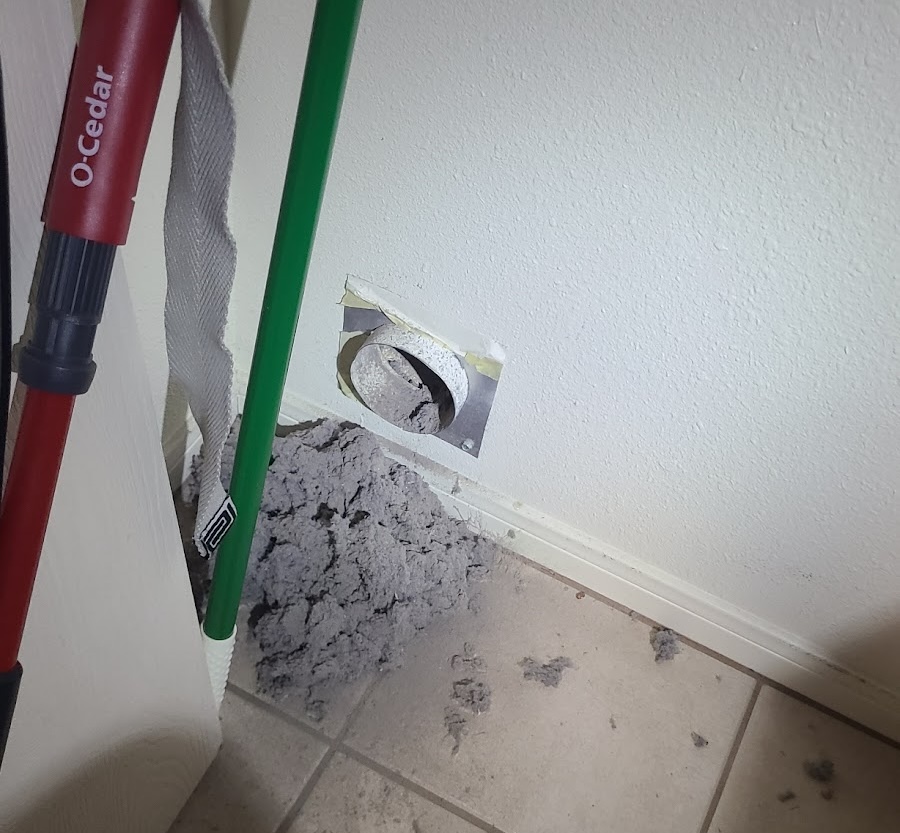
Even if your lint screen looks clean, your vent duct can be heavily restricted. We regularly remove fistfuls of compacted lint from vents where the homeowner swore they "always" cleaned the screen. The screen and the duct are two separate issues.
What Happens During a Professional Dryer Vent Cleaning
A professional cleaning covers the entire vent run — from the dryer connection through to the exterior cap:
- 1
Full vent inspection — we assess the vent length, bends, and material type
- 2
Mechanical brush agitation to break up compacted lint throughout the duct
- 3
High-powered vacuum extraction to pull all debris out completely
- 4
Exterior cap inspection — we check for bird nests, damage, or improper installation
- 5
Airflow test to confirm the vent is fully clear
- 6
Recommendations on vent rerouting if the current setup is creating risk
How Often Should You Clean Your Dryer Vent?
Annually
Standard recommendation for most households
Every 6 months
Large families, frequent use, or long vent runs
Every 3 months
Commercial laundry or salon environments
Don't wait for a fire
Schedule Your Dryer Vent Cleaning Today
We serve Milford, Brighton, Novi, South Lyon, and all of Metro Detroit. Same-day appointments available.